One in Eight Cancer Cases Worldwide Linked to Common Infections, WHO Study Finds

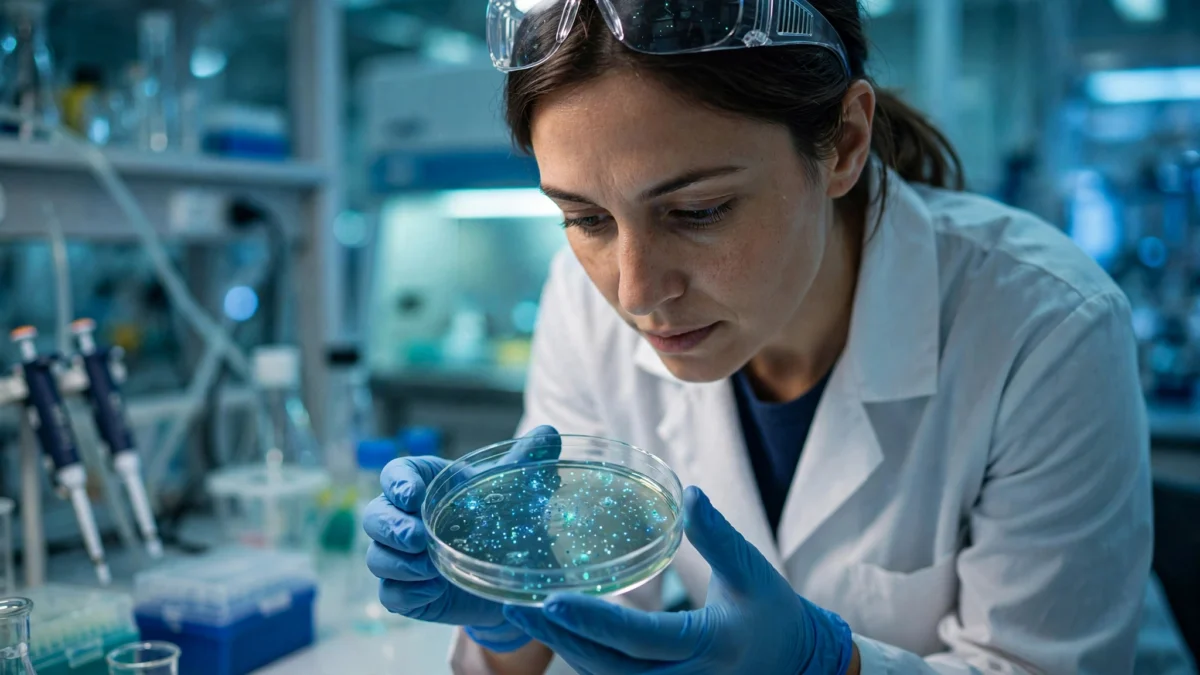
Roughly one in eight cancer cases diagnosed around the world last year was caused by an infection, according to a major analysis by the World Health Organization’s cancer research agency, published in The Lancet Oncology at the end of September 2026.
Researchers at the International Agency for Research on Cancer (IARC) estimated that infections were behind 2.3 million of the roughly 20 million new cancer cases recorded in 2024 — about 12 per cent of the global total — according to USA Today, which reviewed the findings.
Just five pathogens were responsible for nearly all of those infection-linked cancers. The bacterium Helicobacter pylori, which infects the stomach lining and is carried by a large share of the world’s population, was the single largest contributor, tied to around 760,000 cases, or 4 per cent of all cancers worldwide — most of them gastric cancers.
Human papillomavirus (HPV) came next, associated with approximately 750,000 new cases, according to the study. The largest share of these — around 600,000 — were cervical cancers, a disease the researchers attribute almost entirely to HPV, with the remainder spread across cancers of the anus, vulva, vagina, penis and parts of the head and neck, People reported.
Hepatitis B was linked to roughly 360,000 cases, chiefly liver cancer, accounting for about half of all hepatocellular carcinoma — the most common form of liver cancer. The Epstein-Barr virus, which causes glandular fever and is carried by the vast majority of adults, was tied to some 260,000 cases, including nasopharyngeal cancer, Hodgkin’s lymphoma and certain gastric cancers. Hepatitis C was associated with about 160,000 further liver cancers.
The team examined 12 infectious agents classified as definite carcinogens and mapped them against the Global Cancer Observatory’s GLOBOCAN database, combining cancer data with infection prevalence figures, according to MedicalXpress. In total, the infections were connected to more than 20 different cancer types.
The burden was far from evenly spread. Eastern Asia accounted for 990,000 of the 2.3 million infection-related cases — 42 per cent of the global total — and had the highest age-standardised incidence rate at 31.9 cases per 100,000 people. Sub-Saharan Africa, central and eastern Europe and Southeast Asia also ran above the worldwide average of 22.7 per 100,000. Overall, low- and middle-income countries accounted for about three-quarters of all infection-linked cancers, according to the reports.
Why It Matters
The study’s real message is not despair but opportunity: these are among the few cancers medicine already knows how to prevent. HPV and hepatitis B vaccines can block the two infections behind nearly six per cent of all cancers on their own; H. pylori can be cleared with antibiotics; and modern antivirals can cure most hepatitis C infections.
And yet the prevention gap the researchers documented is stark. In 2024, just 31 per cent of eligible adolescent girls worldwide had received even a single dose of the HPV vaccine, against the WHO’s target of 90 per cent. That gap is the difference between a cancer that disappears and one that does not: in countries where HPV vaccination coverage has passed 80 per cent, cervical cancer is beginning to vanish altogether, obstetrician-gynaecologist Dr Rebecca Perkins of Tufts University School of Medicine told reporters, citing research from Australia, England and Finland that found zero HPV-related cancers or deaths among young adults vaccinated by the age of 13.
The geography of the findings sharpens the point. With roughly three-quarters of infection-related cancers concentrated in low- and middle-income countries, the problem is as much one of vaccine and screening access as of biology. H. pylori, the largest single contributor, is most widespread in precisely the places with the least endoscopy, testing and treatment infrastructure.
There is also a quieter lesson here about how infections cause cancer at all — often not directly, but through years of chronic inflammation and cellular damage in persistent infections. That long lag between infection and tumour is why these cancers are so preventable: catch or clear the infection early, and the cancer never gets its start.
What to watch next is whether the findings push governments to treat HPV vaccination with the same urgency as childhood immunisation programmes, and whether the hepatitis B birth-dose vaccine — still missing in parts of Africa and Asia — gets the funding it needs. Two million avoidable cancers a year is a number that should not be possible with tools that already exist.
Sources
- USA Today — “These infections are behind 1 in 8 cancer cases worldwide, study finds”: https://www.usatoday.com/story/news/health/2026/10/05/infections-behind-1-in-8-cancer-cases-hpv-h-pylori/92107065007/
- MedicalXpress — “One in eight cancers are likely caused by an infection worldwide, new study finds”: https://medicalxpress.com/news/2026-09-cancers-infection-worldwide.html
- People — “1 in 8 Cancer Cases Worldwide Are Caused by Common Infections, Study Finds”: https://people.com/1-in-8-cancer-cases-caused-by-common-infections-study-12147803

About the Author — Abdul Mannan
Related Articles
Pennsylvania Measles Outbreak Passes 1,000 Cases With Five Deaths — the Worst US Outbreak Since 1991
Pennsylvania's measles outbreak has surpassed 1,000 confirmed cases with five deaths, according to state health officials — making…
WHO Warns Congo Ebola Outbreak Outpacing Response as Cases Top 8,200
The WHO chief says Congo's Ebola outbreak — now past 8,200 confirmed cases — is outpacing the emergency…
Lab Worker’s Suspected Plague Death in Siberia Triggers Quarantine and Contact Tracing
A 28-year-old laboratory worker in Russia's Irkutsk region has died from an unspecified form of plague, prompting quarantine…