C.H. Robinson to Buy Freight Broker RXO in $5.8 Billion Deal, Creating a $25 Billion Logistics Giant

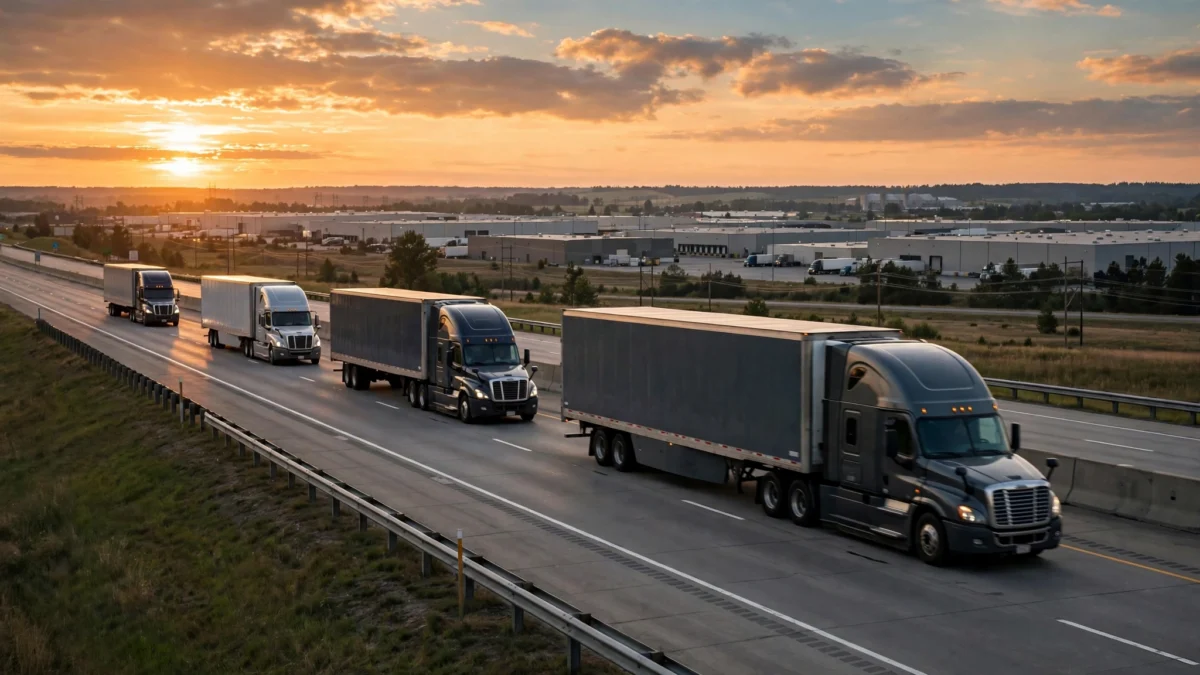
C.H. Robinson Worldwide, one of North America’s largest freight brokers, announced on Monday that it will acquire rival RXO in a cash-and-stock transaction valued at $5.8 billion, creating a combined logistics company with an enterprise value of more than $25 billion, according to a joint statement from the companies and reporting by Reuters.
Under the terms of the agreement, RXO shareholders will receive $17.25 in cash and 0.0856 shares of C.H. Robinson stock for each RXO share they hold, implying a value of $30.25 per share — a 29 percent premium over RXO’s closing price on Friday, October 2, Reuters reported. Shareholders will also have the option of electing an all-cash payment of $30.25 per share or an all-stock option of 0.1992 C.H. Robinson shares, subject to proration. Once the transaction is complete, RXO shareholders are expected to own about 11 percent of the combined company.
Investors gave the two sides sharply different verdicts on Monday. RXO shares surged roughly 22 percent to $28.51, on pace for their biggest single-day gain in more than two years, according to Dow Jones Market Data cited by Barron’s. C.H. Robinson stock, meanwhile, fell about 12 percent to $138.29, making it the worst performer in the S&P 500 on the day — a signal that its own investors are unconvinced about the price being paid.
The companies said the deal would combine two of the biggest names in North American truck brokerage and managed transportation. RXO will be folded primarily into C.H. Robinson’s North American Surface Transportation division, which accounts for more than two-thirds of its revenue, and the combination is expected to strengthen the buyer’s last-mile delivery coverage in the United States.
C.H. Robinson expects to generate about $300 million in net annual cost synergies within two years of closing by running RXO’s business through its “Lean AI” operating model — an artificial-intelligence-driven system designed to automate brokerage workflows and cut vendor spending. The company said the deal would become accretive to adjusted earnings per share within nine months and boost earnings by mid-teen percentages by 2028, according to Barron’s.
“This transaction is a natural next step in our transformation, allowing us to create a more scaled, resilient North American third-party logistics provider,” C.H. Robinson chief executive Dave Bozeman said in the announcement. RXO chairman and chief executive Drew Wilkerson described the deal as a next chapter for his company’s employees and customers, citing the greater scale and broader services the combined firm could offer.
Both boards of directors unanimously approved the agreement. The transaction is expected to close in the first half of 2027, pending regulatory approval and a vote by RXO shareholders. MFN Partners, which holds about 17 percent of RXO, has agreed to vote its shares in favor of the deal, and Orbis Investments, RXO’s largest shareholder, has also backed it, according to industry publication Inbound Logistics. Morgan Stanley advised C.H. Robinson, while Goldman Sachs advised RXO.
Why It Matters
This is a consolidation play born of weakness as much as ambition. The American freight industry has been stuck in a prolonged downturn — weak demand, excess capacity and thin margins have squeezed brokers for the better part of two years. Deals like this are how survivors buy their way to scale when organic growth stalls. C.H. Robinson is betting that a bigger, denser network plus aggressive automation can succeed where simply waiting for the cycle to turn has not.
The market’s verdict deserves attention: a 12 percent plunge in the buyer’s shares is an unusually harsh reaction to a 29 percent premium, which suggests investors worry about overpayment, integration risk, or both. Broker mergers have a mixed track record — the promised synergies depend on melding complex IT systems, carrier networks and sales cultures, and the $300 million target is a projection, not a fact. C.H. Robinson’s “Lean AI” framing is telling: the company is essentially promising that software will replace human brokerage work at scale, and it is asking shareholders to trust that automation math before it is proven.
Regulatory risk looks modest. Truck brokerage remains a highly fragmented business with thousands of players, so antitrust authorities are unlikely to see a duopoly threat here. The bigger risk is timing — if freight demand recovers, the combined company’s scale could compound the upside; if the slump drags on, a larger cost base and integration headaches could weigh on earnings instead.
It is also the second blockbuster deal announcement of the week — after Schneider Electric’s $22.6 billion bid for PTC on Monday — an early signal that corporate America’s appetite for large acquisitions is returning. What to watch next: the RXO shareholder vote, the outcome of any regulatory review, and whether C.H. Robinson can hit its nine-month earnings-accretion promise without cutting into the service quality that won it customers in the first place.
Sources

About the Author — Abdul Mannan
Related Articles

Schneider Electric Agrees $22.6 Billion Deal to Buy US Software Firm PTC
France's Schneider Electric has agreed to buy US industrial software firm PTC for $22.6 billion in cash, deepening…

Asian Stocks Rally as Weak US Jobs Data Cools Fed Rate-Hike Bets
Asian stocks rose on Monday as a weak US September jobs report slashed bets on an October Fed…

Ken Griffin’s Record $3B Carnegie Mellon Gift ‘a Loss for New York,’ Business Leaders Say
New York business leaders call Ken Griffin's record $3 billion Carnegie Mellon donation "a loss" for the city…