Rubio Opens Four-Day NATO Tour in Iceland, Putting Arctic Security at the Centre of the Agenda

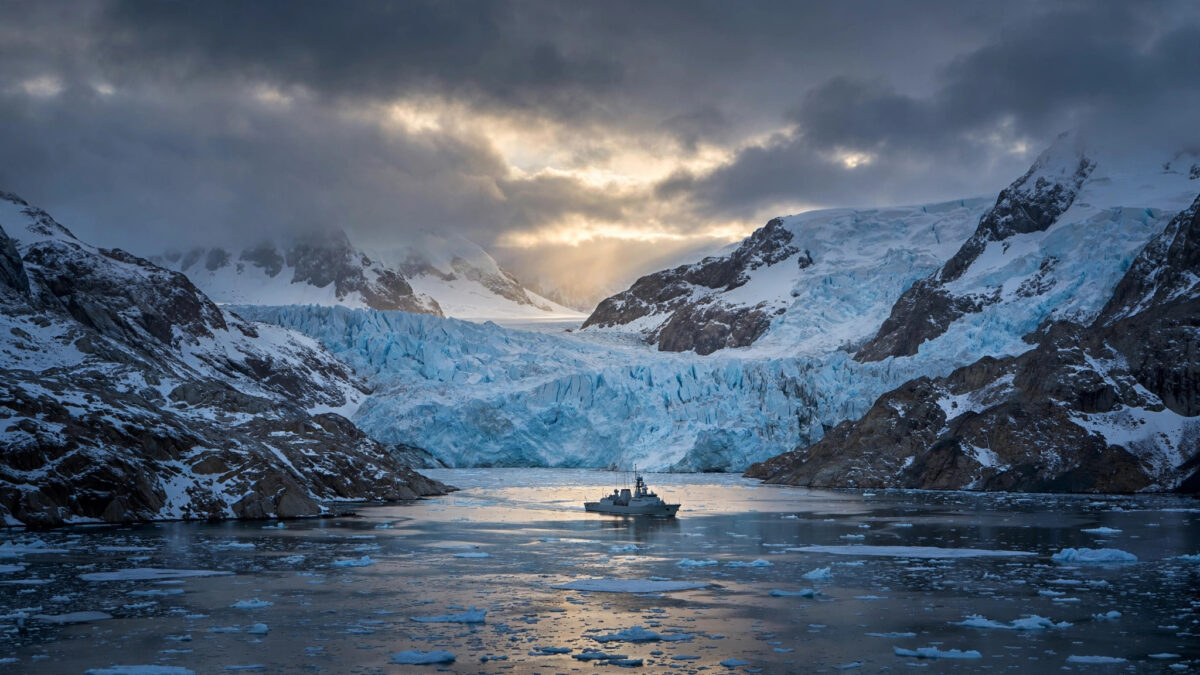
US Secretary of State Marco Rubio arrived in Iceland on Monday to open a four-day tour of three NATO allies, with Arctic security, defence cooperation and energy ties topping an agenda shaped by Russia’s growing military activity in the far north and lingering unease about President Donald Trump’s intentions in the region.
According to the Associated Press, Rubio landed at Keflavik Airport on 5 October and held talks on Tuesday with Iceland’s Foreign Minister Thorgerdur Katrín Gunnarsdóttir at Reykjavik’s Höfði House — the historic building where US President Ronald Reagan and Soviet leader Mikhail Gorbachev met in 1986, a summit widely seen as a turning point toward the end of the Cold War. Tuesday’s meeting came just days before the 40th anniversary of that summit.
“Arrived in Iceland to advance our shared priorities: a secure Arctic, stronger commercial and energy ties, and closer defence cooperation,” Rubio posted on social media on Monday, according to the AP.
The visit opened a three-nation tour, running from 5 to 8 October, that will also take Rubio to Athens and Lisbon. In Greece, he is to lead the US delegation for the sixth US–Greece Strategic Dialogue, covering defence cooperation, energy, regional security, Ukraine and the Middle East. In Portugal, talks will focus on defence, economic development and technology cooperation, the State Department said.
Iceland, a NATO member with no standing army of its own, has grown uneasy about Washington’s Arctic ambitions even as it values the security partnership. According to the AP, Rubio sought to ease those concerns on Tuesday, emphasising US respect for Icelandic sovereignty and saying Washington would not act there without its consent. The two ministers played down disagreements and expressed support for expanding military and commercial cooperation.
He recalled the United States’ decades-long permanent military presence in Iceland, which ended when shifting priorities led to the closure of the Keflavik base outside Reykjavik in 2006, the AP reported, adding that Rubio said strategic priorities had changed again, creating potential opportunities for renewed cooperation.
The reassurance mission follows Trump’s repeated remarks about Greenland, the self-governing Danish territory that is also part of NATO. Last month, Trump posted a map showing the colours of the US flag stretching across North America and extending to Greenland and Iceland, the AP reported — imagery that alarmed allies even after a deal last month eased the president’s push for control of Greenland.
The tour also comes as Russia rebuilds military bases in the Arctic and conducts missile drills there, according to Radio Free Europe/Radio Liberty. RFE/RL quoted former US diplomats as saying Russian military aircraft have for years flown close to Iceland, circling the island to test how quickly NATO jets respond, and that submarine activity in the surrounding waters remains a continuing concern.
Analysis: Why It Matters
Rubio’s itinerary is less a routine diplomatic swing than a deliberate piece of alliance management, and its three stops tell a single story: Washington is trying to knit together its Atlantic security architecture — Arctic, Mediterranean and open Atlantic — while repairing the political damage done by the president’s own rhetoric.
The choice of Iceland first is the tell. The country has no army, hosts no permanent US base, and sits astride the Greenland–Iceland–UK gap through which Russian submarines must pass to reach the Atlantic. That geography makes Reykjavik a low-cost, high-value listening post — but also a country acutely sensitive to being treated as a chessboard rather than a sovereign partner. Rubio’s language of “tremendous respect” and consent was therefore not courtesy; it was the substance of the trip. After the Greenland row, the administration needs allies to believe US Arctic policy is about partnership, not possession.
There is also hard military logic behind the timing. With Russia restoring Arctic bases and China declaring itself a “near-Arctic state,” the High North is one of the few theatres where competition is still escalating rather than frozen. The US closed Keflavik in 2006 on the assumption that permanent Arctic presence was a Cold War relic; Rubio’s hint at renewed cooperation amounts to a quiet admission that the assumption was wrong.
The Athens and Lisbon legs extend the same logic southward. Greece anchors the Eastern Mediterranean, where energy routes and Middle East spillover meet; Portugal hosts US Atlantic operations at Lajes. The tour’s unifying theme is that the Atlantic is again a single strategic space, from the Arctic Circle to the Strait of Gibraltar.
What to watch next: whether the Athens Strategic Dialogue produces concrete defence or energy agreements; whether Iceland signals openness to expanded US or NATO activity around Keflavik; and how Moscow responds — Russian officials have consistently framed any NATO build-up in the Arctic as justification for their own. The Höfði House symbolism was deliberate. The question is whether this generation of diplomacy can repeat what the last one achieved there.
Sources

About the Author — Abdul Mannan
Related Articles
Ukraine Scrambles for Money as War Costs Hit $155 Billion and Russian Strikes Batter Its Economy
Kyiv faces a $56bn budget gap as the daily cost of fighting climbs to $190m, forcing it to…
India–US Trade Talks Hit “Plateau”, Finance Minister Sitharaman Says, as Tariff Threats Narrow Room for a Deal
India's finance minister says trade negotiations with Washington have levelled off with little room left to give, days…
Drones Strike Two Cargo Ships Off Bulgaria’s Black Sea Coast, Sinking One and Leaving Its Crew Missing
Two cargo vessels were hit by drones inside Bulgaria's Black Sea economic zone on Tuesday; one sank with…