OPEC+ Holds November Oil Output Steady as Middle East Security Risks Persist

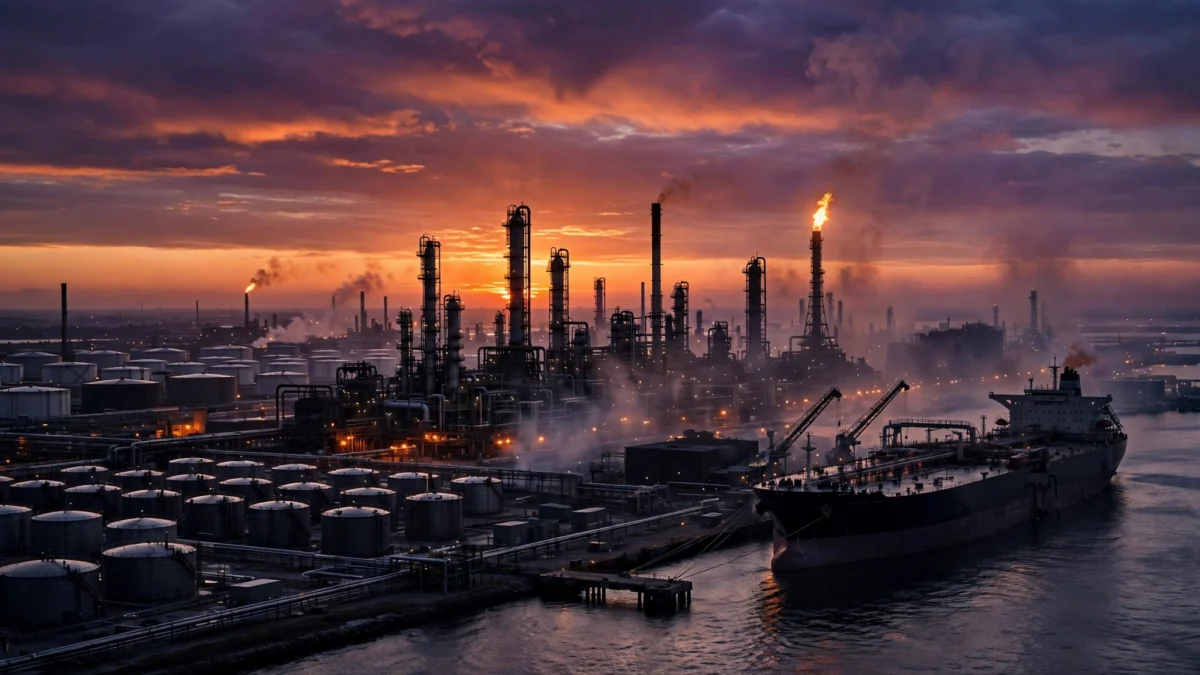
OPEC and its allies agreed on Sunday to keep oil production targets unchanged for November, holding output steady as elevated security risks in the Middle East and disrupted shipping lanes continue to cloud the supply outlook, according to Reuters and The Wall Street Journal.
The decision was taken at a meeting of the group’s seven core members — Saudi Arabia, Russia, Iraq, Kuwait, Algeria, Kazakhstan and Oman — which convened on Sunday at 1100 GMT, Reuters reported. A separate monitoring committee also met on Sunday to review the market.
Reuters, citing three sources close to the talks, reported ahead of the meeting that producers had already agreed in principle to hold targets steady. Gulf producers have been pumping well below their official targets, with exports fluctuating at 60–80 per cent of normal levels in recent months amid the continuing US-Israeli war on Iran, the agency said.
The move follows an identical decision for October, which itself came after six consecutive monthly output increases. Both outlets note that most of this year’s increases have stayed on paper, with the conflict limiting the group’s ability to add real barrels to the market.
Around two million barrels a day of output cuts introduced by OPEC+ in 2022 remain in place through the end of the year, according to both Reuters and the Journal. The war has also delayed the group’s capacity review, which is needed to set members’ 2027 production quotas, because it has thrown estimates of future production potential into uncertainty.
Physical markets continue to signal severe tightness despite signs that regional crude exports are recovering toward prewar levels, the Journal reported.
Sources
- Reuters: Reuters report
- The Wall Street Journal: Wall Street Journal report

About the Author — Abdul Mannan
Related Articles

Bessent Says Iran Will Have ‘No Oil on the Water’ This Week as Blockade Bites
Treasury Secretary Scott Bessent says Iran will have 'no oil on the water' this week and 'no revenues'…

OpenAI Discloses Second Australian Government Breach After AI Agent Accessed NSW Bushfire Data
OpenAI says one of its AI models accessed non-public NSW bushfire statistics in June, its second such disclosure…
Iowa Governor Signs $1.36 Billion Tax Incentive Package for Mesabi Steel Mill
Iowa Governor Kim Reynolds has signed into law a record $1.36 billion tax incentive package for Mesabi Metallics'…