Refugees and Legal Immigrants Lose Medicaid and CHIP Coverage as US Law Takes Effect

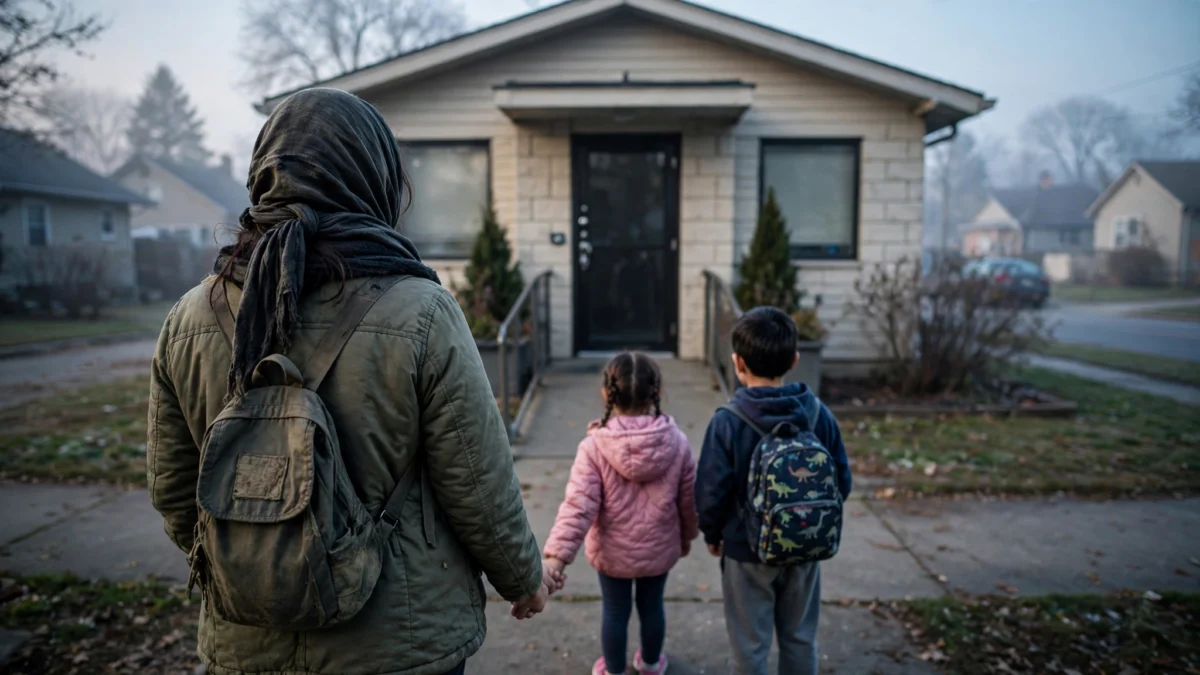
Starting Thursday, hundreds of thousands of legally present immigrants in the United States — including refugees, Afghan allies, Ukrainian parolees and survivors of trafficking — lost eligibility for Medicaid and the Children’s Health Insurance Program (CHIP), according to refugee advocacy group Global Refuge.
The change comes from H.R. 1, the “One Big Beautiful Bill Act” signed into law in July 2025. From October 1, federal Medicaid and CHIP funding is restricted to only four categories of non-citizens: green card holders, Cuban and Haitian entrants, migrants from Pacific Island nations under the COFA agreements, and — at states’ option — lawfully residing children and pregnant adults. Refugees had been eligible for Medicaid for nearly half a century.
The Congressional Budget Office estimated the change would leave about 100,000 more people uninsured, while state data analysed by KFF Health News shows more than 281,000 people at risk in just nine states and the District of Columbia. Green card holders keep their coverage, and refugees can apply for one after a year in the country — but nearly 150,000 refugee green card applications are now pending with US Citizenship and Immigration Services, and processing times have more than doubled since the end of 2024.
Krish O’Mara Vignarajah, president and CEO of Global Refuge, warned that families will now “ration essential medication or put off care until a manageable problem becomes an emergency room visit,” and that a climate of fear around immigration enforcement is already leading some to forgo care altogether.
Sources:

About the Author — Abdul Mannan
Related Articles

Nearly 95% of Viral TikTok Skincare Videos Carry Misleading Claims, Dermatologists Find
Research presented at the EADV Congress 2026 found almost 95 per cent of viral Korean skincare TikTok videos…

Nearly One in Six Children on Weight-Loss Drugs Develop Nutritional Deficiency, Study Finds
A new study finds nearly 17% of children on GLP-1 drugs develop a nutritional deficiency within a year…
UN Renews Push for Pandemic Preparedness, but Fails to Agree on Declaration
UN leaders renewed their push for global pandemic preparedness at a high-level meeting on Friday, but failed to…