Tropical Depression Nine Forecast to Become Hurricane Isaias, the First Atlantic Hurricane of 2026, Threatening the Gulf Coast

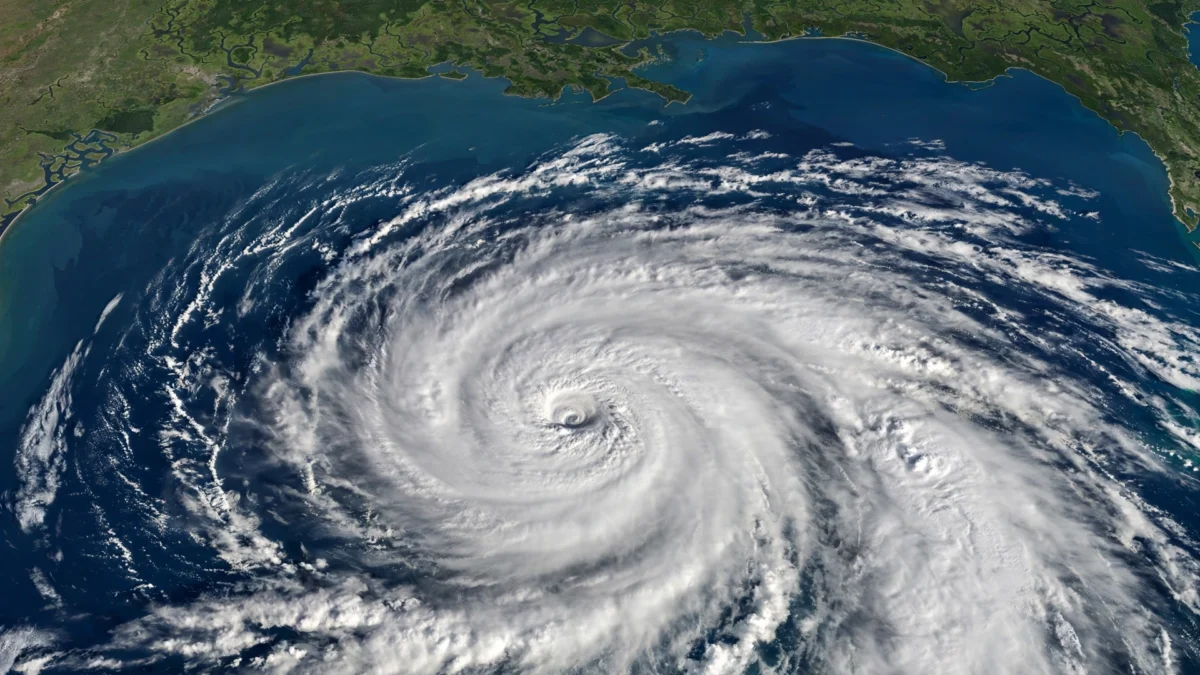
A tropical depression forming in the Gulf of Mexico is expected to become the first Atlantic hurricane of the 2026 season, with forecasters warning that it could reach Category 2 strength before striking the northern Gulf Coast late this week.
Tropical Depression Nine was carrying maximum sustained winds of about 35 mph on Tuesday evening and was located roughly 600 miles south of the mouth of the Mississippi River, according to CNN, citing the National Hurricane Center. The system is expected to be named Tropical Storm Isaias on Wednesday and to strengthen into a hurricane by Thursday, according to Reuters, citing US forecasters.
The hurricane centre said the depression would pass north of the Yucatan Peninsula on Thursday and approach the US northern Gulf Coast on Friday. Landfall is expected somewhere between south-east Louisiana and the western Florida Panhandle, with flooding rain, powerful winds and storm surge spreading across the region from southern Louisiana to the Florida Panhandle beginning on Friday, according to CNN. Forecasters expect the storm to strengthen into a Category 2 hurricane with winds of 100 mph by Friday, though they caution that the exact track and intensity remain uncertain.
The approaching storm ends one of the quietest Atlantic hurricane seasons on record. This will be the first hurricane of the year in the Atlantic basin, ending a record-long wait tied to the effects of a likely record-strong El Niño, according to CNN.
Florida Governor Ron DeSantis declared a state of emergency for 25 counties on Tuesday, urging residents to prepare disaster plans and stock hurricane supply kits, according to CNN. State emergency teams are staging generators, fuel, food, water and flood barriers in the Tallahassee and Santa Rosa areas to support the response.
The storm also threatens America’s energy infrastructure. The offshore areas in its forecast path produce 15 per cent of US crude oil and 5 per cent of the country’s natural gas, according to Reuters, and six refineries operated by Shell, Valero, Marathon, PBF Energy and Chevron could be affected. Refineries in the Gulf states account for about half of the national capacity of 18.2 million barrels per day. Shell said on Tuesday it was evacuating nonessential personnel from six offshore platforms, while BP said it was removing nonessential workers and securing its facilities, according to CNN.
Oil prices rose on Wednesday as traders weighed the storm threat against fresh attacks in the Middle East, according to Reuters. Brent futures climbed 93 cents to $101.51 a barrel and US West Texas Intermediate rose 82 cents to $90.25, after Yemen’s Houthi rebels targeted two Saudi airports on Monday evening as hostilities between the kingdom and the Iran-backed group escalated. American Petroleum Institute data also showed US crude and gasoline inventories fell last week.
The storm’s timing could also disrupt one of college football’s biggest weekends. The SEC said on Tuesday it was monitoring the system ahead of Saturday night’s game between No. 2 Georgia and No. 6 Alabama in Tuscaloosa, which ESPN’s College GameDay will attend and which President Donald Trump has said he plans to attend, according to the New York Post. Alabama-based meteorologist James Spann described the convergence as a “nightmare scenario” and said moving the game was “on the table” if a hurricane makes landfall in Mobile Bay. AccuWeather, for its part, forecasts a somewhat weaker outcome — a Category 1 hurricane early on Friday that weakens before making landfall as a strong tropical storm near the Mississippi-Alabama border on Saturday morning.
Why It Matters
The quiet season has a sting in its tail. After months without a single hurricane, the Atlantic is delivering its first at the worst possible moment: landfall is projected for Friday or Saturday, and the public-awareness deficit created by a record-quiet year increases the danger of complacency along the Gulf Coast.
The economic stakes are equally sharp. American gasoline and diesel prices are already soaring because of the US-Israeli war with Iran, according to Reuters, and a storm that knocks out even a fraction of Gulf refining capacity would hit drivers at the worst moment — less than a month before midterm elections in which energy costs are among voters’ top concerns. A KFF poll released on Tuesday found gasoline and grocery costs were the second and third leading economic worries for Americans, behind only healthcare costs.
Three things to watch: whether Wednesday’s hurricane-centre advisories confirm both the Isaias name and the Category 2 forecast; whether refinery outages materialise across the Gulf; and whether the SEC moves the Alabama-Georgia game — a presidential visit tangled in a hurricane would turn a regional weather event into a national story.
Sources
Reuters: US forecasts hurricane later this week in Gulf of Mexico
CNN: Gulf Coast faces hurricane threat as Tropical Depression Nine is forecast to strengthen
New York Post: Possible hurricane threatens Alabama-Georgia game Trump slated to attend
Reuters: Oil prices rise as storms and air strikes threaten supply

About the Author — Abdul Mannan
Related Articles
NTSB: Warning Horns Sounded in Final 29 Seconds Before Fatal LA News Helicopter Crash
The NTSB's preliminary report on the September 15 NewsChopper4 crash says warning horns sounded in the final 29…

Trump Draws Backlash After Suggesting Iran Could ‘Take Out’ Los Angeles and San Diego
President Donald Trump's remarks at a Nebraska rally suggesting Iran could 'take out' Los Angeles and San Diego…

Trump Urges Supporters to Vote by Mail Despite Years of Fraud Claims
Trump told supporters they can vote by mail in the November 3 midterms if they wish, a striking…