Bank of England Puts a Hedgehog on the Fiver: Wildlife to Replace Churchill and Historic Figures on New Banknotes

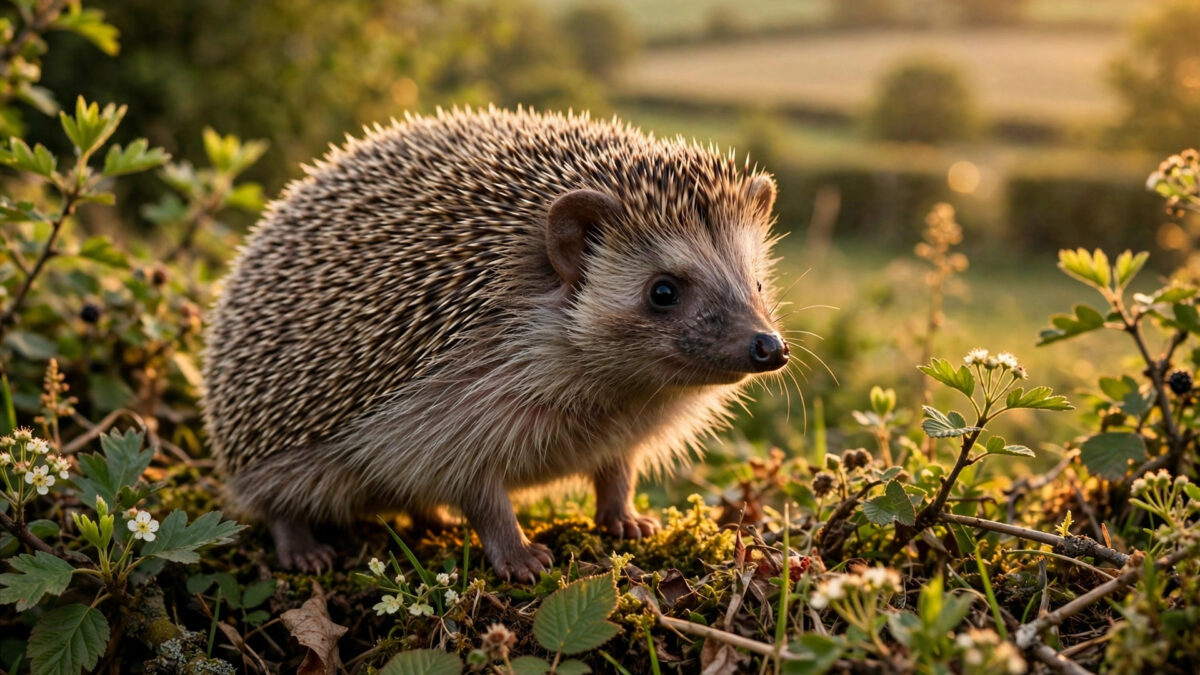
Barn owls, bumblebees, puffins and hedgehogs will feature on new Bank of England banknotes over the coming years, replacing wartime leader Winston Churchill and other historic figures, the central bank announced on Thursday.
The Bank said a European hedgehog will take the place of Churchill on the £5 note, while a barn owl, a buff-tailed bumblebee and an Atlantic puffin will appear on the redesigned £10, £20 and £50 notes. The exact designs will be revealed closer to launch, and the monarch will continue to feature on the notes as before.
The announcement is the culmination of the most public consultation the Bank has ever run. Almost 500,000 people voted in a summer poll on a shortlist of 18 native animals released in June, according to Reuters — a record response that Chief Cashier Victoria Cleland said demonstrated that “cash still matters” to the British public.
The buff-tailed bumblebee was the most popular creature on the shortlist with 360,399 nominations, according to figures published by the Bank, followed by the barn owl on 270,596 and the European hedgehog on 259,665. The red fox and the common kingfisher both received more votes than the Atlantic puffin, which gathered 183,137 — but the Bank selected the puffin anyway, saying it wanted to make sure a marine animal was represented in the series.
The vote that ended 50 years of heroes
The decision to abandon historic figures follows the Bank’s announcement in March that it would no longer feature famous Britons on future banknotes, in favour of images from the natural world. Historical figures have appeared on Bank of England notes since 1970, and the move ended one of the most familiar fixtures of British daily life: a portrait of the past staring back from the nation’s money.
That March decision dismayed politicians across the political spectrum and prompted speculation that the central bank wanted to avoid the recurring controversies around which historic figures deserve national honour. It was followed by a consultation in 2025, in which about 44,000 people ranked possible themes; nature came out on top with 60 per cent, ahead of architecture and landmarks at 56 per cent, while keeping historical figures managed just 38 per cent. Many respondents specifically suggested featuring wildlife native to the United Kingdom.
A panel of wildlife experts — including the natural-history presenters Gordon Buchanan and Nadeem Perera — then drew up the shortlist of 18 animals, from pine martens to basking sharks, that went to the public vote.
Churchill, Austen, Turner and Turing all go
The Bank confirmed the order in which the new notes will arrive. The £5 note bearing Churchill, first issued in 2016, will be the first to be replaced, followed by the £10 note with the novelist Jane Austen, the £20 with the artist J.M.W. Turner and the £50 with the mathematician Alan Turing.
Ms Cleland said the redesign process — design, testing and production — would take several years before the new notes entered circulation, according to the PA news agency. The incoming chief cashier, Rhys Phillips, who will be responsible for delivering the series, said the Bank would now work to combine the announced imagery with “cutting-edge security features and materials science”.
The Bank’s technical argument has been consistent from the start: detailed natural imagery makes banknotes more distinctive and harder to counterfeit, and allows new security features to stand out more clearly.
‘Bank of the Hundred Acre Wood’
The announcement was met with derision in some quarters. Free Speech Union founder Lord Toby Young mocked the decision, joking that the Bank had become “the Bank of the Hundred Acre Wood” and asking why the country’s greatest wartime leader had been traded for a spiky garden animal, according to The Sun.
Robert Jenrick, Reform UK’s Treasury spokesman, called the redesign “a joke” and said the Bank should not be “erasing our history with this nonsense”, The Sun reported. The Conservative leader, Kemi Badenoch, had already said when the decision was first floated that it was “erasing our history” and “a silly thing to do”.
Their reaction continues a row that began in March, when the Bank’s original announcement drew complaints from across the parties that an institution guarding national symbols was quietly airbrushing them out.
Designing for a medium in decline
The redesign lands at a moment when physical cash is becoming a rarity in British life. Cash usage has fallen steeply in recent years, accelerated by the pandemic, which pushed almost all retailers to accept contactless card and smartphone payments. Under 10 per cent of payments were made by cash in 2024, according to the trade body UK Finance, though it said it expected the decline to level off as a small minority of Britons strongly preferred to use notes and coins.
That is the backdrop to Ms Cleland’s remark that nearly half a million consultation responses showed “cash still matters”. The Bank’s pitch is that redesigned, harder-to-fake notes reinforce the trust-and-acceptance loop that keeps cash viable: retailers and banks need to believe notes are genuine and worth handling, and the public needs to believe they will be accepted.
Analysis: Why It Matters
Strip away the jokes about hedgehogs, and this is a story about what a country chooses to put on its most-handled national canvas — and how many people get a say in the choice.
First, consider the politics. Critics see the swap as erasure: Churchill off the fiver is a symbol of a Britain retreating from its own history. The Bank’s defenders, and a large slice of the public, see the opposite — a democratisation of the symbol. For half a century, the figures on banknotes were chosen by committees of experts; now the people picked the replacements themselves, in the largest consultation the Bank has ever held, and fewer than four in ten of them wanted the heroes to stay. Whatever one thinks of the result, it is hard to call a process that drew 500,000 votes a stitch-up.
Second, there is the technology argument, which deserves more attention than it has received. The Bank has been blunt throughout: wildlife imagery is harder to counterfeit than portraits of people. A portrait is a single face rendered at small scale; a badger, a bee or an owl in dense natural detail gives engravers and security printers far more complex texture to work with — and gives the public more distinctive visual anchors to check a note against. The culture war has drowned out the engineering, but the engineering is the official reason, and it is plausible.
Third, the paradox of designing beautiful new notes for a medium people barely use. When fewer than one payment in ten is made in cash, a multi-year redesign is an odd investment — unless the Bank believes, as its own statements suggest, that the visibility of the design matters precisely because cash is now special rather than routine. A note you see once a month is examined more closely than one you handle daily. There is also a resilience case: when digital payments fail, cash is the fallback, and a fallback only works if people trust it.
Fourth, the conservation signal. Whether or not the Bank intended it, four of Britain’s most-loved and in some cases most-threatened creatures are about to get a national billboard. The hedgehog, whose numbers have collapsed in the countryside, the puffin, the barn owl and the pollinating bumblebee — all carry a conservation story that campaigners will now be able to attach to an object in every wallet. That may prove to be the most lasting effect of the redesign.
What to watch next
The exact designs are still to be revealed, and that is when the next row will begin: which animals land on which denominations, how the wildlife is styled, and whether the Bank gives any further ground to critics who want at least one historic figure kept. The rollout itself is years away, giving both the Bank and its opponents plenty of time to keep arguing. And the consultation’s scale sets a precedent: the next time a national symbol is redesigned, the public will expect to be asked — and may expect its answer to be obeyed.
Sources
Reuters: Barn owls, bees, puffins and hedgehogs to feature on UK banknotes
PA via The Oldham Times: 4 new banknotes to be launched by the Bank of England
The Sun: Bank of England mocked after ditching Churchill for hedgehog

About the Author — Abdul Mannan
Related Articles

Israel to Close British Consulate in Jerusalem on Thursday, Marking New Low in UK Relations, as 11 Arrested at London’s October 7 Anniversary Protests
Israel is set to close Britain's 1838 East Jerusalem consulate on Thursday over the UK's settlement trade ban,…
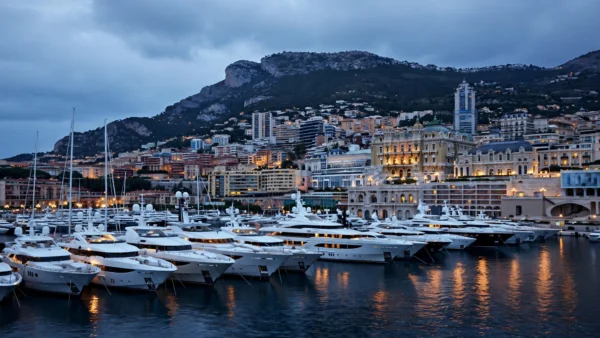
Britain’s Second Richest Man Quits UK for Monaco in Latest Super-Rich Tax Exodus
Billionaire property tycoon David Reuben, ranked second on the Sunday Times Rich List with a family fortune of…
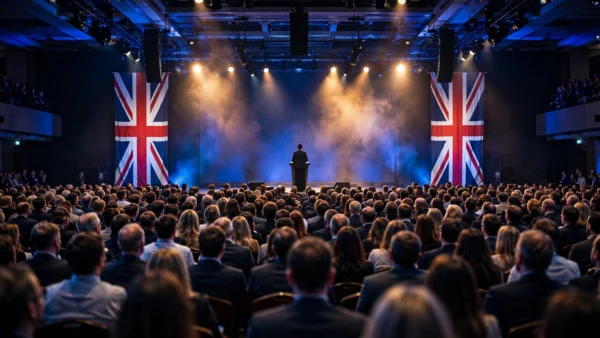
Kemi Badenoch to Pledge Inheritance Tax Cut in ‘Battle for the Soul of the Nation’ Conference Keynote
Badenoch will use her Birmingham keynote to promise an inheritance tax cut and halved employer national insurance for…